Reflections on Living Memory in Nairobi

In this reflection, LAMy fellow Victoria Lu shares her experiences of her time in Nairobi, visiting community-led spaces, social justice centres, radical libraries and cooperatives. Her reflections remind us that memory does not only live in archives or documents. It lives in people, places, plants, songs, labour and collective action.
A conversation with Haneen Maikey: alQaws’s Palestinian Queer Movement Archive
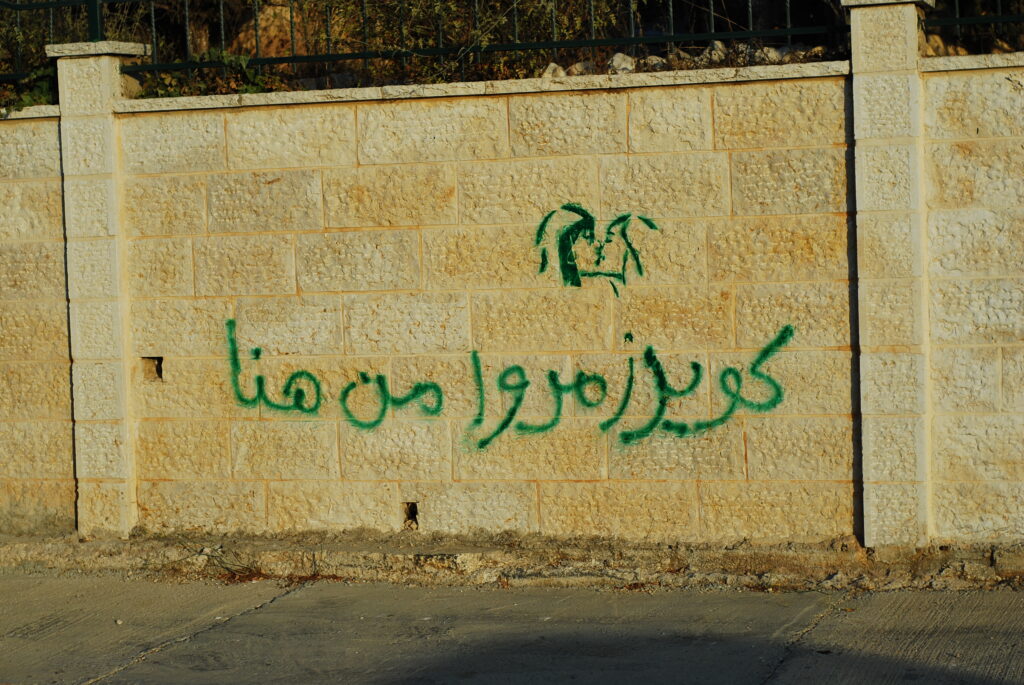
Episode One of Archiving Our Movements with Haneen Maikey from alQaws reflects on queer Palestinian memory-making as a practice of survival, resistance, and care. Through lived experience, the conversation explores how archiving counters erasure, resists pinkwashing, and sustains collective belonging under ongoing genocide.
Thematic Threads: Reflections on a Peer-to-Peer Partnership
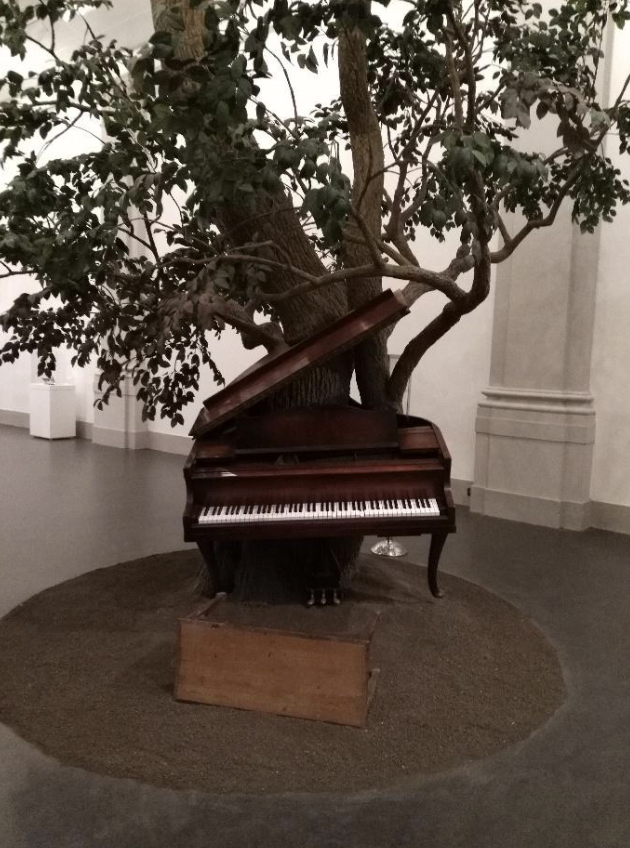
Multidisciplinary artist and producer Danni Ebanks-Ingram and cultural geographer Carol Ann Dixon established a peer-to-peer partnership through which to explore and discuss shared interests in the oeuvres and art-political activism of contemporary artists who use their creativity to highlight and draw attention to issues of socio-economic, racial and environmental injustice worldwide.
Playing with the Past: Encounters with the Archive
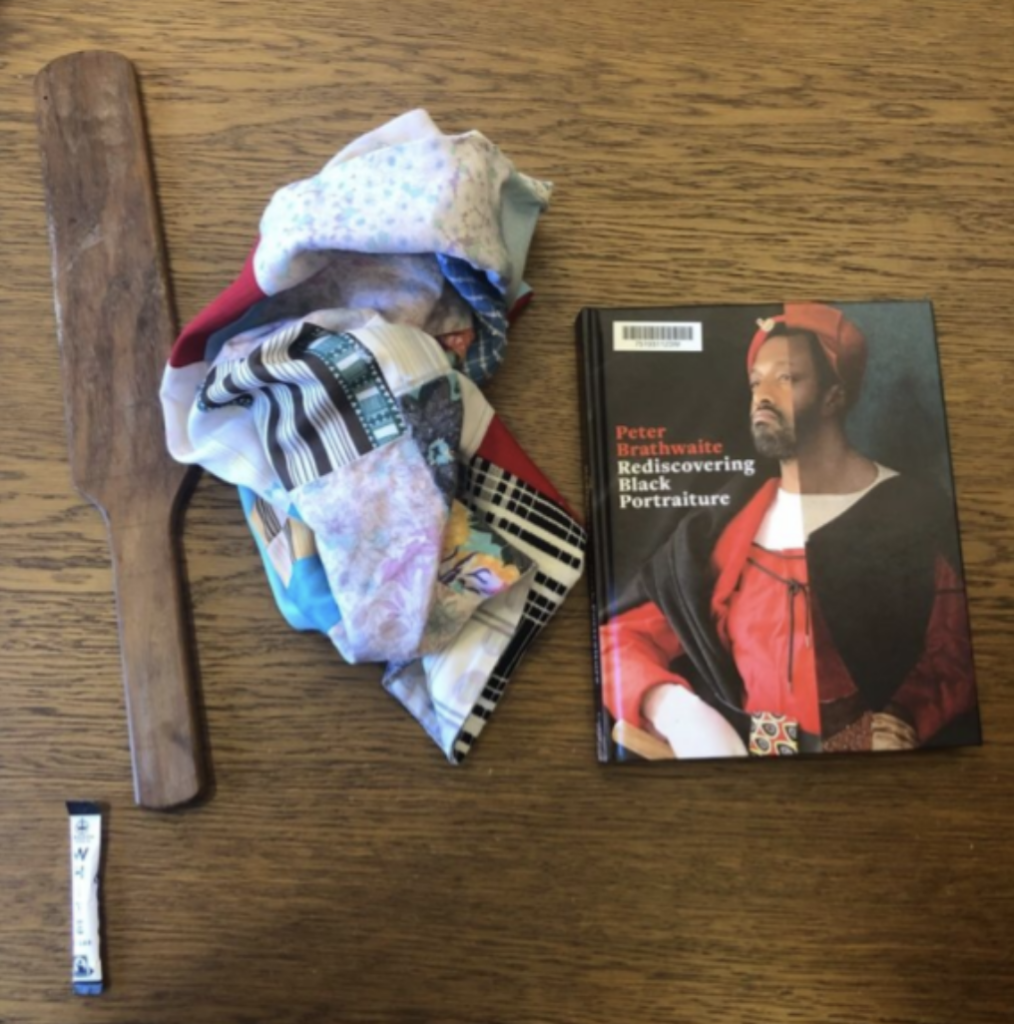
In this essay, Devika reflects on what it means to “play” with the past and how “play” can serve as a powerful pedagogical, participatory, and political tool for re-encountering the past.
The Organising Poster
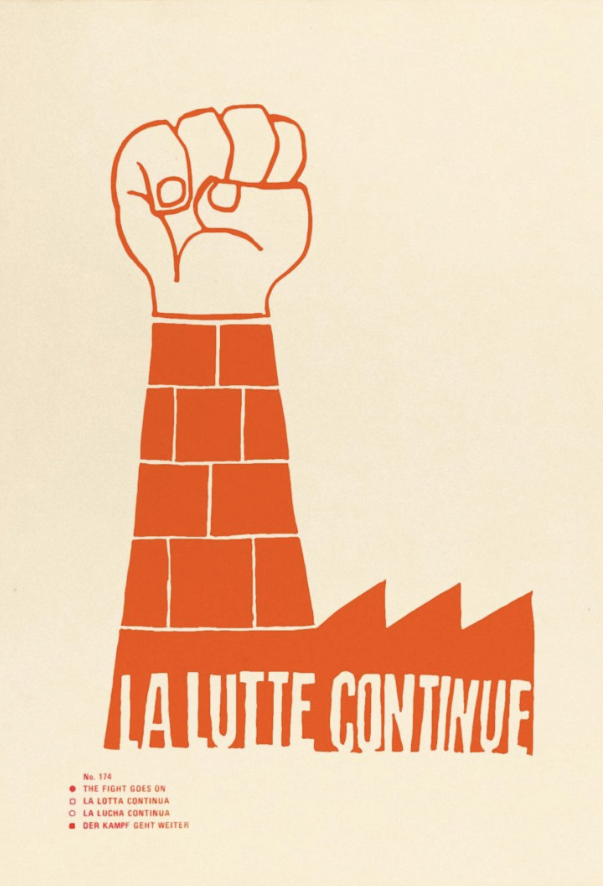
What can movement archives teach us about creative production and AI? Nancy Salem traces three political archives to ask: who owns the means to produce knowledge and what is it for?
Joy / Resistance
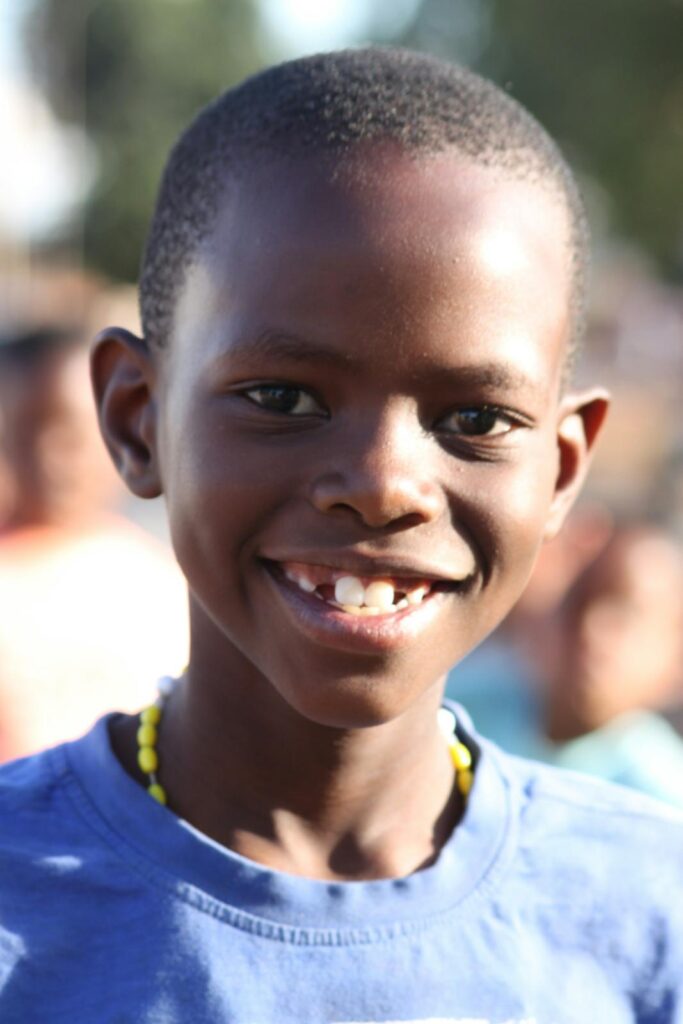
In Joy/Resistance, Corrd centres Black joy as an emancipatory force and everyday resistance.
Mind the Gap: Heritage Work in a Fractured Present
JC Niala and Johanna Zetterström-Sharp reflect on what happens when institutions that have traditionally done memory work on behalf of society find themselves facing a society that is itself fractured through loss.
Who does the work?
Decolonising archives is often unpaid labour led by diasporic and indigenous memory workers. Erinma Ochu, Tosin Olufon, Nadine Aranki and Abira Hussein reflect on care, refusal, solidarity and community-held alternatives.
Heritage and Ephemerality: The Politics of Black Cultural Memory
Inspired by Stuart Hall’s work, Dr. Lisa Amanda Palmer invites readers to think about questions of ephemerality and heritage.
Family Photographs from the Vietnamese Diaspora Set In Motion
Family photographs from the Vietnamese diaspora become living records of memory and migration. Carô Gervay invites us to witness how images move across generations, repaired, reimagined, and set in motion.